
 EN
EN
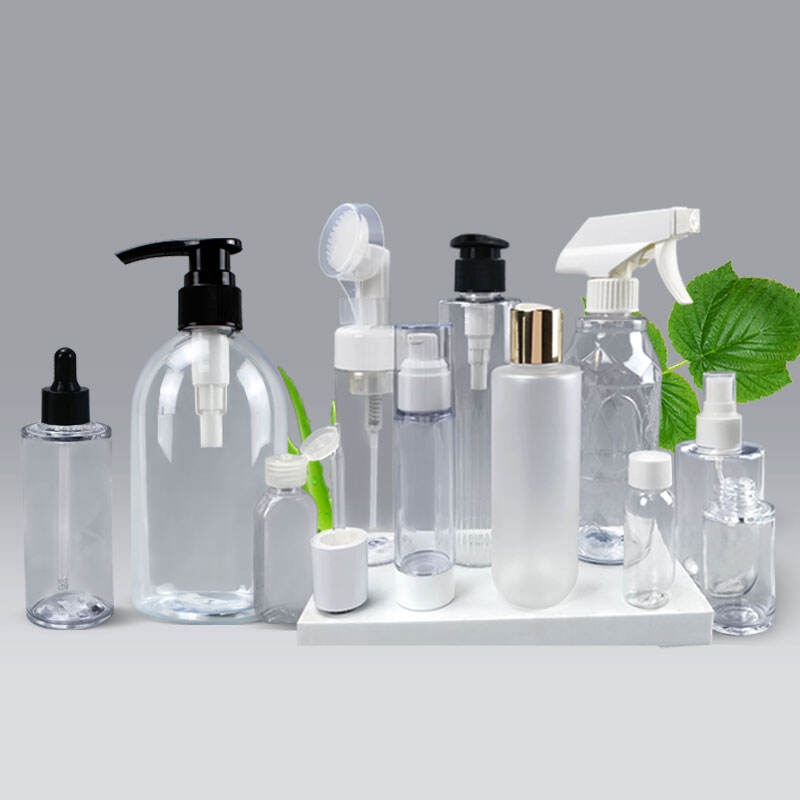
Стратегическата необходимост от оптимизирано опаковане в пластмасови бутилки
В сложната глобална верига за доставки пътуването на продукт от производствената линия до крайния потребител е критичен тест за издръжливостта и интелигентността на неговото опаковане. За пРОДУКТИ опаковани в пластмасова бутилка за упаковка , този процес представя уникални предизвикателства, които отиват много по-далеч от простото опаковане. Оптимизирането на опаковката за пластмасови бутилки за транспортиране и съхранение е многогранно начинание, намиращо се на пресечната точка между инженерството, логистиката, екологичните науки и икономиката. То изисква преход от виждането на опаковката като просто съд към третирането ѝ като интегрирана система, чиито характеристики директно влияят върху качеството на продукта, оперативните разходи, репутацията на марката и екологичния след. Но откъде да започне човек да разплита сложностите при създаването на такава ефективна система за опаковане на пластмасови бутилки? Отговорът се крие в методичен, структуриран подход, който отчита всеки аспект от жизнения цикъл на опаковката.
Съчетаване на защитата с разходите и устойчивостта
Основната, недоговаряща се функция на всяка опаковка от пластмасова бутилка е да защитава съдържанието си. Това означава създаване на здрава защита срещу динамични удари по време на работа с тях, постоянна вибрация по време на транспортиране и компресионни сили от натрупани палети в склад или товарен контейнер. Въпреки това, постигането на максимална защита не може да става за сметка на прекомерно използване на материал или неефективно пространствено проектиране. Истинското изкуство при оптимизирането на опаковките от пластмасови бутилки се крие в точно инженерно решение за тази защита, използвайки проектиране, базирано на данни, за елиминиране на прекалено опаковане. Търсенето на ефективност не е просто мярка за спестяване на разходи; то е вътрешно свързано с устойчивостта. Намаляването на теглото на материала и максимизирането на плътността на товара директно намаляват консумацията на гориво и емисиите на парникови газове за единица пратка. Следователно добре оптимизираната система за опаковане на пластмасови бутилки постига хармонично равновесие: достатъчно е здрава, използва точно достатъчно количество материал и заема точно достатъчно пространство, за да гарантира безопасността на продукта, като едновременно с това минимизира своите икономически и екологични разходи.
Холистичен, системно-мислещ подход
Оптимизацията не може да бъде постигната чрез фокусиране само върху бутилката, кашона или палета изолирано. Най-успешните стратегии за опаковане на пластмасови бутилки прилагат системно мислене. Това означава, че дизайнирането на първичната бутилка се извършва в съгласуваност с дизайна на вторичния кашон, което от своя страна определя оптималния модел за натоварване на палета. Например, лека промяна във формата на бутилката — сплескване на страните ѝ — може да позволи по-малък и по-силен кашон и по-стабилно натоварване на палета. Как могат компаниите да гарантират тези компоненти да работят в съвършена хармония? Процесът започва с ясно дефинирани изисквания за производителност и използва инструменти като компютърно подпомагано проектиране (CAD) и метод на крайните елементи (FEA), за да симулира напреженията и взаимодействията, преди да бъде направен един-единствен прототип. Този интегриран подход за разработване на опаковки за пластмасови бутилки предотвратява скъпи неефективности и необходимостта от повторни проектиране по-късно, осигурявайки, че всеки елемент — от капачката до дъното на контейнера — допринася за единно, високоефективно решение.
Материална наука и технология за бариериране
Пътят на оптимизиране на опаковките от пластмасови бутилки започва на молекулно ниво с избора на основен материал за съда. Изборът на смола – дали PET, HDPE, PP или по-напреднали полимери – в основата си определя теглото, прозрачността, устойчивостта към химикали и най-важното – бариеерните свойства на опаковката. Но от какво точно защитаваме продукта? Основните противници са кислородът, водната пара и ултравиолетовата светлина, всички те могат да наруши стабилността, срока на годност и ефективността на продукта. Могат да се използват високобариеерни пластмаси или покрития, за да се намали значително проникването на кислород, докато добавките, инхибитори на UV лъчите, или непрозрачни материали предпазват чувствителните към светлина съставки. За течни продукти бариерата работи и в обратна посока, като предотвратява изпарението на летливи компоненти. Изборът на правилния материал е първата и най-важна стъпка при създаването на система за опаковане в пластмасови бутилки, която запазва продукта така, както е предвидено, от момента на напълване.
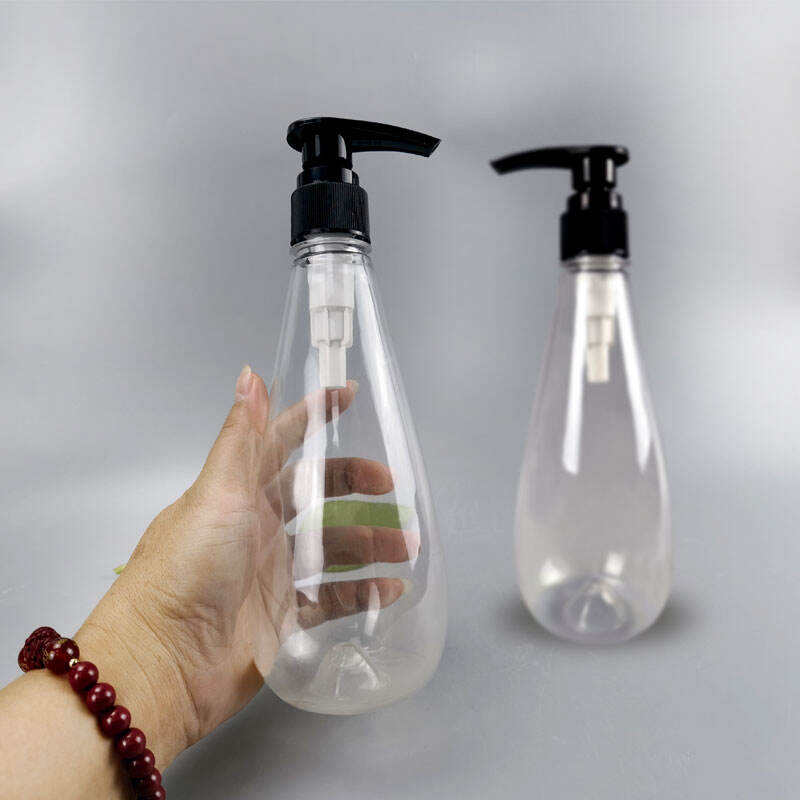
Оптимизация на основния контейнер
Дизайнът на самата бутилка предлага огромни възможности за оптимизация при опаковането с пластмасови бутилки. Замисляли ли сте се как формата на вашата бутилка влияе на ефективността на цялата верига за доставки? Намаляването на теглото – намаляване на масата на всяка бутилка, без да се компрометира нейната якост, е директен и ефективен начин за намаляване на разходите за материали и теглото при транспортиране. Освен това бутилки, проектирани с плоски панели или правоъгълна основа, могат да се поставят по-ефективно във вторичните си кашони, което значително намалява загубата от неизползвано пространство в сравнение с кръгли бутилки. Тази геометрична ефективност е основен стълб на оптимизираното опаковане с пластмасови бутилки, тъй като позволява повече единици да бъдат превозвани на палет, което намалява както транспортните разходи, така и въглеродните емисии на продукт. Дори елементи като грапи за хващане могат да бъдат проектирани така, че да подобрят структурната устойчивост, потенциално позволявайки намаляване на дебелината на стената на бутилката.
Стратегически дизайн за подобряване на логистиката
След като първичната опаковка от пластмасова бутилка е доведена до съвършенство, вниманието се насочва към нейната интеграция в по-голямата логистическа единица. Вторичната опаковка — картонената кутия, тава или обгръщащия държач — трябва да действа като амортизираща, цялостна черупка. Нейният дизайн не може да бъде второстепенен; той трябва да се проектира паралелно с бутилката. Добре проектирана картонена кутия за опаковане на пластмасови бутилки фиксира отделните бутилки, предотвратявайки триенето им една в друга по време на транспортиране, което може да причини захабяване и повреди по етикетите. Изборът на вълнообразния профил на картона, класа на плочата и разделителните вложки е сам по себе си наука, калибрирана според теглото и крехкостта на конкретното товарно натоварване в пластмасови бутилки. Окончателната цел е да се създаде обединен, издръжлив пратен случай, който функционира като една структурна единица, а не като съвкупност от слабо опаковани предмети.
Овладяване на единичното натоварване
Палетата е основният градивен елемент на глобалните товари, като най-големите логистични спестявания могат да бъдат постигнати чрез нейната оптимизация. Ефективното опаковане на пластмасови бутилки води до стабилни, плътни и сигурни палетни конструкции. Нестабилната палетна натовара е голям риск, който води до преобърнати товари, повреда на продуктите и опасности за безопасността. Оптимизирането на опаковането на пластмасови бутилки на този етап включва проектиране на транспортни кашони, които могат да бъдат натрупани в междублокиращи, колонни или пинуийълни модели, за да се осигури максимална стабилност и да се предотврати изместване на товара. Често се пренебрегва значението на самата палета и на стрейч-опаковката. Използването на листове за плъзгане или оптимизиран модел на стрейч-опаковане допълнително осигурява единичния товар. Добре планирана палета с опаковани пластмасови бутилки не само предпазва продукта, но също максимизира използването на контейнери и камиони, което директно се превежда в по-ниски разходи за пратка на единица продукт и намален екологичен отпечатък от транспорта.
Ефективност в склада и съхранението
Оптимизацията на опаковката за пластмасови бутилки осигурява непрекъсната стойност дълго след получаването на пратката. Дизайнът ѝ има голямо влияние върху складовите операции, като засяга плътността на съхранението, скоростта на обработка и разходите за управление на инвентара. Опаковка, която е ефективна за транспортиране, трябва да бъде ефективна и за съхранение. Това означава, че размерите на транспортната кашон трябва да бъдат проектирани така, че максимално да използват рафтовете и подовото пространство в склада. Могат ли кашоните за опаковане на пластмасови бутилки да бъдат безопасно поставяни по-високо, без риск от срутване? Ясното, стандартизирано и сканируемо етикетиране от множество страни на кашона не е второстепен детайл — то е ключов компонент на ефективна система за опаковане на пластмасови бутилки, която позволява бързо идентифициране и точна подборка в натоварени разпределителни центрове.
Съвместимост с автоматизацията
Тъй като складирането и изпълнението на поръчки все повече разчитат на автоматизация, опаковката за пластмасови бутилки трябва да се проектира както за машинно, така и за ръчно управление. Това изисква последователност и предвидимост. Кашоните трябва да имат еднакви размери и здрави, устойчиви на деформации повърхности, за да могат надеждно да се преместват от транспортни ленти, роботизирани ръце или автоматизирани насочвани превозни средства (AGV). Баркодовете и другите сканируеми идентификатори трябва да бъдат поставени на постоянни, незатруднени за достъп места върху опаковката за пластмасови бутилки. Опаковка, която блокира транспортна лента или не може да бъде прочетена от скенер, създава скъпоструващи задръствания и грешки. Проактивното проектиране на опаковки за пластмасови бутилки за тези среди осигурява устойчивост на веригата на предлагане, позволяващо мащабиране и интеграция с модерна логистическа инфраструктура.
Устойчивост и аспекти на жизнения цикъл
Днес оптимизацията е неразривно свързана с устойчивата практика. Най-напреднали стратегии за опаковка от пластмасова бутилка включват целия жизнен цикъл на опаковката, от добиването на суровини до край на живота. Това включва изследване на материали със съдържание на рециклирано вещество (рециклирано след употреба пластмаса, или PCR), проектиране за рециклиране чрез използването на еднородни материали и минимизиране на общото въглеродно следа. Но как това се съгласува с нуждата за здрава защита? Иновациите в материалната наука постоянно подобряват представянето на устойчивите материали, което позволява създаването на опаковка от пластмасова бутилка, която е както екологично отговорна, така и високопроизводителна. Освен това, по-лека и по-икономична в пространството опаковка по природа намалява емисиите от транспортиране, създавайки мощна синергия между икономическите и екологичните цели за оптимизация.
Съгласуване с регулациите и клиентите
Често недооценен аспект при оптимизирането на опаковката от пластмасови бутилки е осигуряването на съответствие с променящите се регулаторни изисквания и задълженията на големите клиенти. Различните региони и крупни търговски вериги имат специфични правила относно материала на опаковката, етикетирането на рециклираност и намаляването на употребата на първичен пластмасов материал. Опаковъчна система, проектирана в изолация, рискува несъответствие, което може да доведе до отхвърляне на пратки, глоби или загуба на бизнес. Проактивното проектиране на опаковката от пластмасови бутилки да отговаря или надхвърля тези стандарти — като например въвеждане на определен процент от PCR материал или спазване на конкретни насоки за проектиране за рециклиране — не е само въпрос на избягване на рискове. Това става конкурно предимство, демонстрирайки отговорно управление на околната среда и съобразяване на бранда със стойностите на растящ сегмент от пазара.
Често задавани въпроси (FAQ)
Какъв е най-надеждният начин да се тества дали нашата опаковка от пластмасови бутилки е оптимизирана за транспортиране?
Най-надеждният метод е комбинация от предварително лабораторно тестване и пробни пратки в реални условия. Лабораторни тестове, използващи стандартизирани протоколи (като ASTM или ISTA процедури), симулират рискове като вибрации, натиск и удари при падане. Тези контролирани тестове помагат да се идентифицират слабости в опаковъчната система за пластмасови бутилки преди пълномащабно производство. Въпреки това, след тях трябва да последва ограничена пробна доставка, за да се потвърди ефективността при реални, непредвидими логистически условия. Този двуетапен подход осигурява обосновани с данни гаранции, че опаковката за пластмасови бутилки ще защитава продукта ви по целия предвиден път.
Как да съчетаем нуждата от максимална защита на продукта с целта за намаляване на опаковъчния материал?
Това равновесие се постига чрез принципа на "правилното оразмеряване" и прецизното инженерство. Целта не е задължително да се използва най-малкото количество материал, а да се използва правилно материала по начин, по който оптимални количество, точно където е необходимо. Напреднали инструменти за проектиране, като софтуер за симулации, могат да идентифицират точките на напрежение в опаковката на пластмасовата бутилка, което позволява усилването на тези области, докато други потенциално могат да бъдат изтънени. Процесът включва итеративни тестове: започва се с предпазен дизайн, след което системно и безопасно се намалява количеството материал, като се проверява чрез тестване запазването на защитната функция. Този научен подход осигурява ефективна, без да е недостатъчна, опаковка за пластмасови бутилки.
Може ли устойчивата опаковка за пластмасови бутилки наистина да бъде толкова ефективна за логистиката, колкото традиционните варианти?
Да, и все по-често устойчивите опции могат да предложат логистични предимства. Основните цели на устойчивостта – използване на по-малко материал, намаляване на теглото и подобряване на ефективността – директно съответстват на целите за оптимизация на логистиката. Например, намаляването на теглото на бутилка чрез използване на напреднали био-базирани или PCR смоли намалява както потреблението на материал, така и теглото при превоз. Проектирането на по-компактен формат на пластмасова бутилка подобрява плътността на палетите. Много от устойчивите материали от следващо поколение се разработват с оглед висока производителност. Ключовото е да се сътрудничите с доставчици на материали и да се проведат задълбочени тестове за съвместимост и производителност, за да се гарантира, че опаковката от пластмасова бутилка отговаря на всички необходими механични и бариерни свойства за вашия продукт.
Какви са основните аспекти, които трябва да се имат предвид при прехода към нова, оптимизирана система за опаковане в пластмасова бутилка?
Успешният преход изисква планиране, което надхвърля самата опаковка. Основните аспекти включват: 1) Съвместимост с производствената линия : Ще работят ли новите бутилки ефективно на съществуващите пълнежни и капачни линии? 2) Смяна на вторичната опаковка : Имат ли нужда новите кашони от настройки на машините за разгъване на кашони, пакетиращи машини или етикетиращи устройства? 3) Комуникация в доставната верига : Уведомени ли са всички логистични партньори (складове, дистритьори) за новите размери и теглове на кашоните за планиране на палети? 4) Готовност на клиентите и пазара : Готово ли е маркетингът да комуникира промените, особено ако те са свързани с твърдения за устойчивост? Фазово въвеждане с внимателно наблюдение на всяка етап е от решаващо значение за намаляване на риска и осигуряване на гладко внедряване на новата пластмасова опаковка.
Съдържание
-
Стратегическата необходимост от оптимизирано опаковане в пластмасови бутилки
- Съчетаване на защитата с разходите и устойчивостта
- Холистичен, системно-мислещ подход
- Материална наука и технология за бариериране
- Оптимизация на основния контейнер
- Стратегически дизайн за подобряване на логистиката
- Овладяване на единичното натоварване
- Ефективност в склада и съхранението
- Съвместимост с автоматизацията
- Устойчивост и аспекти на жизнения цикъл
- Съгласуване с регулациите и клиентите
- Често задавани въпроси (FAQ)